

- June 23, 2026
When part of the week is spent remotely, coming to the office becomes a choice rather than a habit. For that choice to feel obvious, the workplace must offer what home cannot.
y observing how people actually work, consulting those who are affected, and starting from their needs, a workspace project stops being an expense and becomes a business decision. The benefits can be measured on several fronts at once: recruitment, retention, company culture, and the value of real estate assets.
When asked what would bring them back on-site, teams point first to two concrete things. Ergonomics, which supports good posture and adapts to the different tasks of the day, makes being there more comfortable over time. Acoustics, for their part, separate areas of concentration from spaces for discussion and preserve everyone’s productivity.
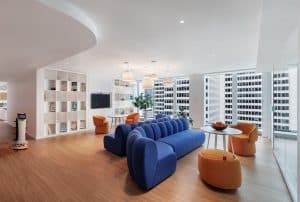
The quality of the design influences recruitment, retention, and attachment to the organization, and these effects ultimately show up in the results.
The approach matters as much as the outcome. From the first meeting to the day teams move in, every choice benefits from serving both the people and the company’s objectives. A well-managed process helps keep costs in check while maximizing the payoff, especially when the design is conceived over ten years rather than two.
In the end, a thoughtful workspace becomes a lasting asset, for teams and for the organization alike.
Reflections from the Les Affaires conference, Design et espaces de travail, in Quebec City, with our colleagues Carolyne Thibault, Design Director – Interior Design and Hani Diab, Design Director – Interior Design.